What You’ll Love About This Recipe
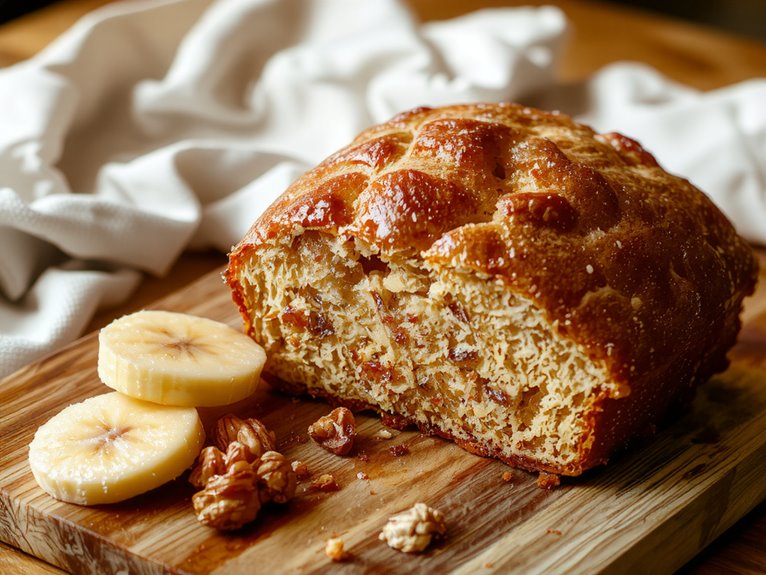
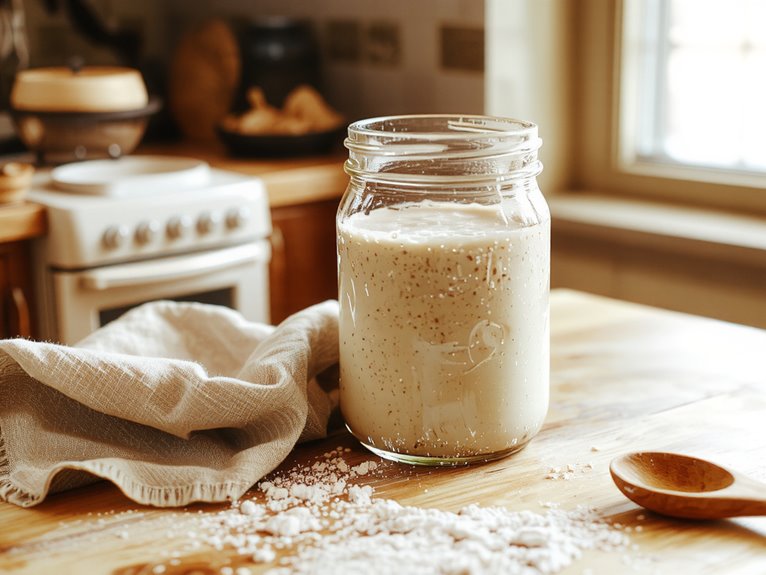
Making your own sourdough starter is easier than you might think, and it’s a fun way to bake bread that’s full of flavor. It’s a natural process**—just flour, water, and a little patience are all you need to create a living starter. You’ll save money by skipping store-bought starters or expensive artisan bread. Plus, it’s rewarding** to see your starter grow and transform into delicious homemade loaves.
Recipe
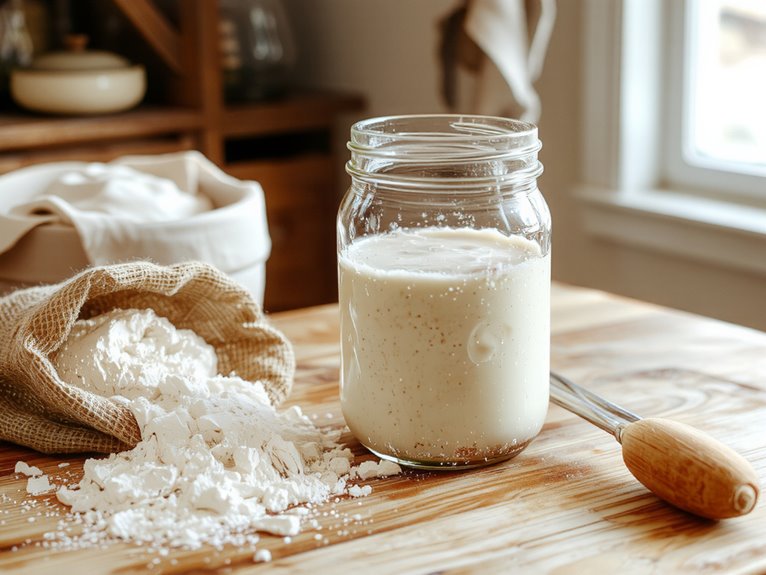
Sourdough starter is a natural leavening agent made from fermented flour and water. It’s the foundation of sourdough bread, adding flavor, texture, and a unique tangy taste. Creating your own sourdough starter at home is simple and requires just two basic ingredients.
Ingredients:
- 1 cup (120g) whole wheat flour
- 1/2 cup (120ml) lukewarm water
Instructions:
- Day 1: In a clean jar or bowl, mix 1 cup of whole wheat flour and 1/2 cup of lukewarm water until well combined. The mixture should be thick but stirrable. Cover the jar loosely with a lid or a clean kitchen towel and let it sit at room temperature for 24 hours.
- Day 2: Check the mixture for small bubbles, which indicate fermentation. Discard half of the starter (about 1/2 cup) and add 1/2 cup (60g) of whole wheat flour and 1/4 cup (60ml) of lukewarm water. Stir well, cover, and let it sit for another 24 hours.
- Days 3–7: Repeat the process from Day 2 each day. By Day 5–7, the starter should be bubbly, have a slightly sour smell, and double in size within 4–6 hours of feeding.
Notes:
- If the starter smells unpleasant or develops mold, discard it and start over.
- Once the starter is active, transfer it to the refrigerator and feed it once a week.
Equipment:
- Clean jar or bowl
- Measuring cups
- Kitchen scale (optional)
- Spoon or spatula
Time:
- Prep time: 5 minutes daily
- Cooking time: 7 days to mature
Cuisine:
Baking
Serving:
Makes approximately 1 cup of active sourdough starter.
Nutrition
Sourdough starter is a fermented mixture of flour and water, rich in probiotics and nutrients. Below is the nutritional breakdown per 100g serving.
| Nutrient | Amount |
|---|---|
| Calories | 200 |
| Carbohydrates | 40g |
| Protein | 8g |
| Fat | 1g |
| Fiber | 3g |
What To Serve With It
I love pairing my sourdough with creamy soups, especially on chilly evenings, as the crusty bread soaks up the flavors perfectly. A cheese platter is another go-to for me, offering a mix of textures and tastes that complement the tangy sourdough. It’s simple, satisfying, and always a hit with friends.
Creamy Soups
When you’re enjoying a bowl of creamy soup, it’s easy to get lost in that rich, velvety texture—but pairing it with the right sides can take your meal from good to great. I love serving a crusty slice of sourdough bread on the side; it’s perfect for soaking up every last bit. A simple green salad with a tangy vinaigrette balances the richness, while roasted vegetables add a hearty touch. For something lighter, try garlicky croutons or a handful of fresh herbs. These pairings not only complement the soup but also make the meal feel complete and satisfying.
Cheese Platter
Though a cheese platter can stand on its own, pairing it with the right accompaniments can turn it into something truly special. I love adding fresh fruit like grapes or sliced apples—their sweetness balances the saltiness of the cheese. Crusty bread or crackers are a must for texture, and I always include honey or jam for a touch of sweetness. Nuts like almonds or walnuts add crunch, while olives or pickles bring a tangy contrast. Don’t forget cured meats for extra richness. It’s all about balance, and with these pairings, your platter will feel like a gourmet treat.